Discover a Tucson Remodeling Contractor for Custom Designs
Remodeling Contractor Tips: How to Guarantee a Seamless Renovation Experience
Steering through a home renovation can be demanding. Property owners often face unexpected hurdles that can make things more complex. Picking the right remodeling contractor is essential for steering clear of typical errors. Well-defined goals and proper discussion can make a notable impact. Yet, many neglect important measures that can lead to stress and postponements. Learning about these secrets can help streamline the journey and ensure a successful outcome. In what ways can residents ready themselves for these difficulties?
Exploring the Role of a Remodeling Contractor
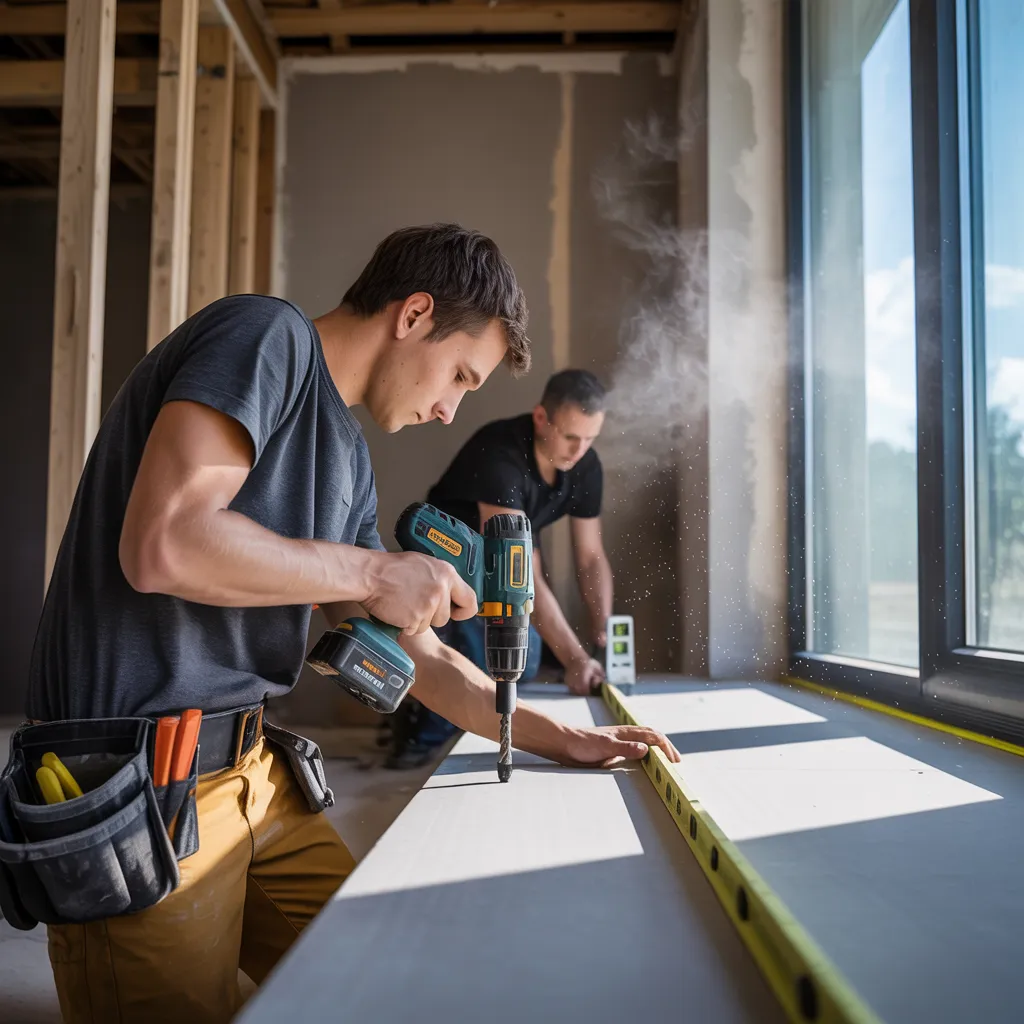
A renovation contractor oversees the complex process of home remodeling projects, making sure projects progress efficiently from start to finish. This specialist acts as the key coordinator in overseeing various tasks, from initial planning to the finishing details. They demonstrate a thorough grasp of construction techniques, materials, and local building codes, which empowers them to form informed decisions that influence the success of renovations.
The contractor is responsible for supervising subcontractors, planning work timelines, and controlling the budget. They also act as a liaison between clients and tradespeople, addressing concerns and providing updates throughout the renovation process. Clear communication is vital, since it allows the client's goals to be matched with real-world execution. By coordinating schedules and upholding quality, the renovation contractor limits setbacks and boosts overall effectiveness. At the core, their knowledge and direction are key to turning a client's remodeling aspirations into tangible results while maintaining a focus on safety and compliance.
How to Establish Clear Expectations for Your Project
Establishing clear expectations is critical for the achievement of any remodeling project. Homeowners should begin by defining their goals and desired outcomes, making sure all involved parties are aware of the scope of work. Comprehensive project descriptions serve to minimize miscommunications as the project progresses. Creating a reasonable budget is also a key consideration; it ought to account for possible unexpected costs.
Homeowners must communicate their timelines, covering both start and end dates, which assists in coordinating contractor availability. Discussing the types of materials to be used and their availability can further clarify the project's direction. Scheduled updates can help resolve issues in a timely manner, fostering a spirit of teamwork and partnership.
In the end, documenting all agreements and decisions can act as a point of reference throughout the project, reducing conflicts. By setting these clear expectations, property owners can promote a well-organized and effective renovation process, guaranteeing that the completed project reflects their goals.
The Value of Effective Communication
Clear communication acts as a cornerstone for any successful remodeling project, guaranteeing that homeowners and contractors remain aligned during the entire process. This promotes transparency, enabling all parties to share their needs, ideas, and concerns without hesitation. When communication is clear and consistent, confusion can be reduced, which ultimately helps avoid expensive setbacks and revisions.
Contractors can take advantage of frequent updates, helping them to adapt schedules and resources accordingly. Homeowners, in turn, gain reassurance through frequent check-ins, remaining more engaged and up to date. Clear communication also fosters trust, an essential element for a productive and collaborative relationship.
Using different channels of communication, for example phone calls, in-person meetings, and emails, helps accommodate diverse preferences and guarantee that key information is conveyed promptly. In the end, making effective communication a priority not only enhances the overall renovation journey but also helps in attaining the desired results with efficiency and satisfaction.
Important Questions for Finding the Right Contractor?
How can homeowners guarantee they select a reliable remodeling contractor? To ensure they are making the right selection, they should commence by raising important inquiries. Homeowners ought to ask about the contractor's background and specialized knowledge in particular renovation projects, ensuring they have relevant skills for the project at hand. It is equally important to request references and samples of previous projects to assess workmanship and dependability.
Homeowners need to verify the licensing and insurance details of the contractor, ensuring they meet local regulatory requirements. Moreover, addressing the expected timeline and contractor availability assists in establishing reasonable expectations. Inquiring about any subcontractors and their credentials may also indicate the degree of professionalism to be anticipated during the project.
In conclusion, property owners should seek a well-defined payment schedule and request warranty information for materials as well as workmanship. By asking these important questions, homeowners can better assess potential contractors and ultimately select the best match for their remodeling project.
Examining Contractor Proposals
When evaluating proposals from contractors, it is important to compare pricing structures to guarantee budgetary consistency. Furthermore, evaluating project timelines helps in evaluating the viability of every contractor's proposal. This systematic approach aids in making informed decisions that can significantly impact the renovation project.
Analyze Pricing Models
Although comparing pricing structures can seem intimidating, homeowners must carefully examine contractor proposals to confirm they are getting the most value for their money. Various contractors may offer different pricing structures, such as set pricing, hourly billing, or cost-plus agreements. Homeowners ought to evaluate not just the overall price but also the specifics of each proposal. For instance, some quotes may cover materials and labor in detail, while others might list them separately, leading to unexpected expenses later. Additionally, evaluating payment schedules and terms can reveal potential financial risks. Through grasping these details, homeowners can make well-informed choices and choose a contractor whose pricing model suits their budget and project goals.
Analyze Project Timelines
Assessing construction schedules is crucial for homeowners who want clear information in contractor bids, as setbacks can heavily influence costs and anticipated outcomes. A careful examination of proposed timelines allows homeowners to identify likely obstacles and guarantee that contractors have realistic schedules. Homeowners should compare the anticipated start and finish dates across various estimates, carefully considering the individual stages of the work. It is recommended to ask regarding the contractor's approach for managing unforeseen delays, such as adverse weather or material shortages. Transparent dialogue about project benchmarks can encourage reliability and clarity. By comprehending the schedule, homeowners can more accurately set their goals and plan for any modifications required throughout the improvement project, contributing to a more successful project overall.
How to Keep Your Renovation on Schedule
Remaining on schedule during a renovation can considerably influence the total success of the project. To sustain progress, open communication between the homeowner and contractor is crucial. Creating a comprehensive timeline with specific milestones helps everyone maintain accountability. Regular check-ins can address any potential delays early on, ensuring that problems are handled quickly.
In addition, accounting for unexpected setbacks, such as interruptions to the supply chain or delays caused by weather, allows for a more adaptable schedule. Homeowners should also make certain that determinations about materials and design choices are determined ahead of time to avoid last-minute alterations that may disrupt progress.
To conclude, working with a reputable contractor with a demonstrated history of success can substantially boost the likelihood of meeting deadlines. A professionally managed team, equipped with the necessary tools and materials, will coordinate work seamlessly, decreasing idle time and keeping the renovation on track. Thorough preparation and preventive administration are essential elements in accomplishing a punctual renovation finish.
Common Remodeling Pitfalls With Contractors
Successful renovations require not only careful planning but also an recognition of possible obstacles that can occur when working with contractors. One prevalent problem is a lack of clear communication, which can lead to misunderstandings regarding project scope, timelines, and budgets. It is imperative for homeowners to establish clear expectations and sustain transparent communication throughout the renovation process.
Another common pitfall is underestimating costs. Property owners often overlook extra costs such as materials, permits, or unexpected repairs, which can create financial strain. Additionally, the decision on which contractor to hire is critically important; selecting unqualified or inexperienced contractors can lead to poor quality work or legal issues.
Last but not least, overlooking references and reviews can result in hiring unqualified contractors. read about this Homeowners should invest time in researching and vetting potential candidates to avoid delays and dissatisfaction. By identifying these common mistakes, homeowners can protect their renovation endeavors and ensure a more seamless process.
Questions We Often Receive
What Should I Do if My Contractor Misses a Deadline?
When a contractor fails to meet a deadline, the homeowner should communicate directly, voicing their concerns and requesting an explanation. Keep a written record of the exchange, examine the contract for relevant clauses, and evaluate the possibility of creating a new timeframe or pursuing other remedies as required.
How Should I Deal with Unforeseen Costs During the Renovation?
To manage unforeseen expenses during renovation, one should carefully examine the contract, maintain open communication with the project contractor, investigate different approaches, and keep a contingency fund. This proactive approach helps minimize stress and ensures a more seamless project flow.
Which Permits Are Required for My Remodeling Project?
To identify the needed approvals for a renovation project, it is essential to consult local construction regulations. Generally, required permits can encompass structural, electrical, plumbing, or zoning approvals, depending on the project's extent and regional building requirements.
Can I Continue Living in My Home While the Renovation Takes Place?
Yes, homeowners can often live in their homes during renovations, but this largely depends on the extent of the project. Noise, dust, and limited access might create challenges, so proper planning and consistent communication with contractors remain absolutely necessary.
How Should I Deal With Disagreements With My Contractor?
To handle disagreements with a contractor, individuals should communicate concerns clearly, consider their point of view, work toward a mutual agreement, document discussions, and, when needed, explore mediation options to reach a satisfactory resolution for both parties.